
 Work & Life Skills · Financial Literacy
Money skills your students will actually use.
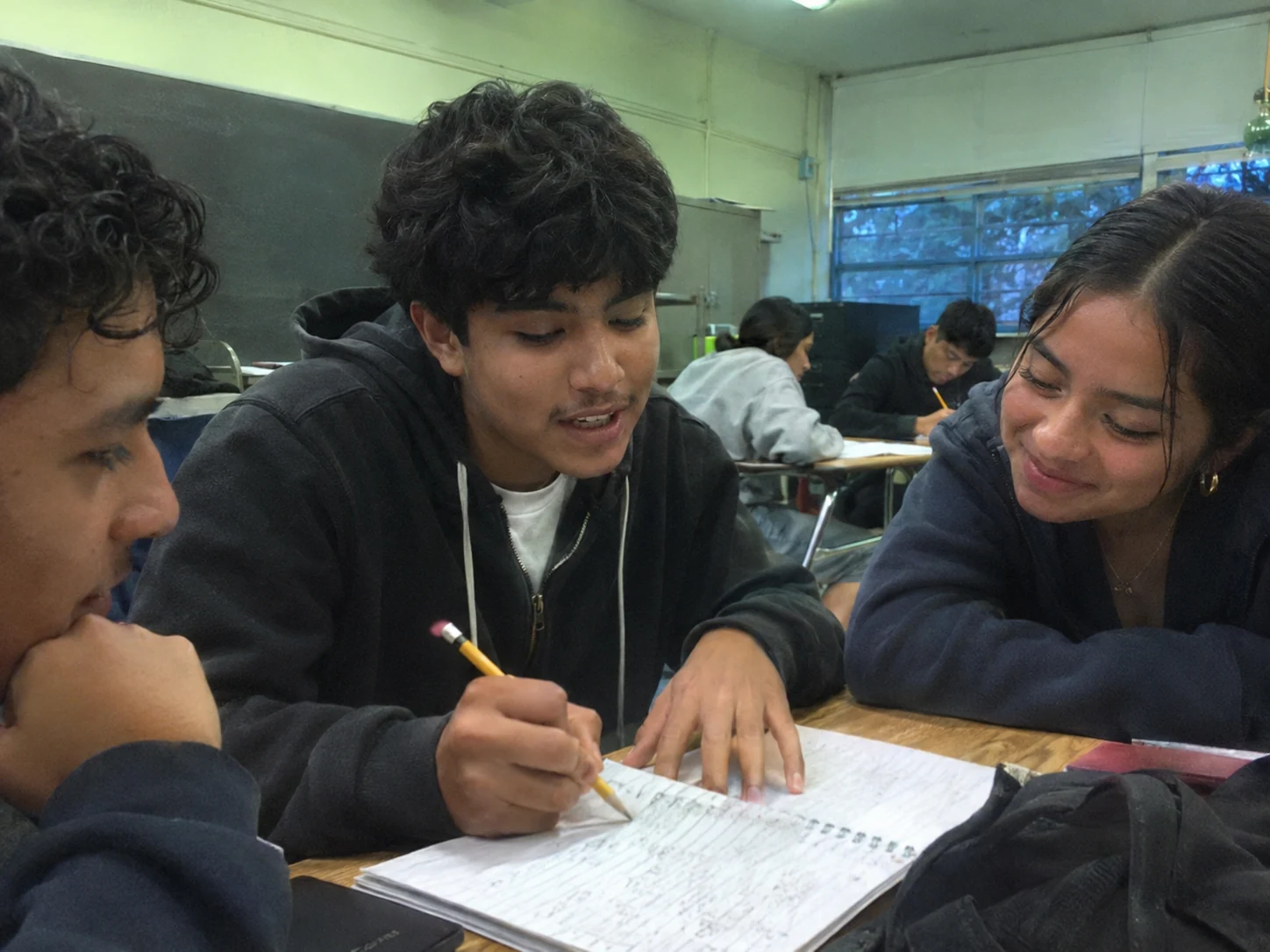
A Tried & True Teacher leads your class.
We’re educators ourselves. About one in every 100 applicants earns a place on our teaching team. We match your class with an instructor who comes prepared, on time, with a smile, or you don't pay.
Tried & True always has your back.
- On your campus
- Live on Zoom
Favorite part of the class? “developing a budget and financial plan”
Least favorite part? “Was when the class ended because I enjoyed learning about this topic.”
Instructional hours
-
WorkshopFocus on one priority, such as building a budget.1–2 hours
-
Boot CampConnect several decisions, from managing expenses to borrowing for college.Over 2 to 10.5 hours
How much can you borrow for college?
Minimum payments · 6% fixed · 20 years
Compare repayment options
How it’s calculated & sources
This private-loan example assumes equal borrowing at the start of each school year after grants, scholarships, and savings. There are no fees or payments during college. Simple interest accrues for four years on the first loan and one on the last.
Repayment starts one month after graduation. This estimate uses equal monthly periods and adjusts the last payment. How student loan interest works (CFPB)
The $68,000 salary benchmark rounds the average for 2025 bachelor’s graduates. The CFPB suggests keeping total borrowing within your expected starting salary when possible. CFPB borrowing guideline
TRIO grant alignment
Choose your grant to see how these lessons support financial and economic literacy.
Upward Bound · Required service
Your project must provide financial and economic literacy education or counseling, including financial planning for postsecondary education. 34 CFR § 645.11(a)(6)
Suggested modules
- Loans, Interest & Borrowing Decisions
- Paying for College: Costs & Financial Aid
Upward Bound Math & Science · Required service
Your project must provide financial and economic literacy education or counseling, including financial planning for postsecondary education. 34 CFR § 645.11(a)(6)
Suggested modules
- Loans, Interest & Borrowing Decisions
- Paying for College: Costs & Financial Aid
Talent Search · Required connection
Talent Search must connect participants to financial and economic literacy education or counseling, including planning for college. A workshop can provide that connection. 34 CFR § 643.4(a)(6)
Suggested modules
- Building a Budget
- Paying for College: Costs & Financial Aid
Student Support Services · Required service
Your project must provide financial and economic literacy education or counseling, including financial planning for postsecondary education. 34 CFR § 646.4(a)(4)
Suggested modules
- Tracking Spending & Adjusting a Budget
- Paying for College: Costs & Financial Aid
Educational Opportunity Centers · Permissible service
Your project may offer financial and economic literacy education or counseling. Participants preparing to enter or return to college can explore their aid options and plan for expenses. 34 CFR § 644.4(e)
Suggested modules
- Building a Budget
- Paying for College: Costs & Financial Aid
Course details
Choose from 15 modules to fit your students and the time you have.
- Money Mindset & Financial Choices Identify personal money beliefs and explain a financial choice.
- Needs, Wants & Trade-offs Distinguish needs from wants and explain a spending decision.
- Income & Employment Types Distinguish salary, hourly and contract pay using examples.
- Active vs. Passive Income Compare examples of active and passive income.
- Inflation & Purchasing Power Explain how price changes affect purchasing power.
- Paychecks, Deductions & Take-home Pay Interpret gross pay, deductions and net pay on a sample pay stub.
- Taxes & Tax Brackets Explain marginal tax brackets using a hypothetical taxable-income example.
- Building a Budget Construct a sample spending plan within given income constraints.
- Tracking Spending & Adjusting a Budget Compare recorded expenses with a sample planned budget and propose an adjustment.
- Banking: Checking, Savings & Choosing a Bank Compare checking and savings purposes and bank account selection criteria.
- Exploring Stocks & Investments Describe stock ownership and discuss risk and reward using share-price examples.
- Credit Cards & Credit Scores Explain credit-card borrowing and factors that influence credit scores.
- Loans, Interest & Borrowing Decisions Compare hypothetical loans by interest, payments and total cost.
- Paying for College: Costs & Financial Aid Identify grants, loans and work-study and describe steps to seek college aid.
- SMART Financial Goals & Personal Plan Write a specific financial goal with measurable steps and a timeframe.